

Fantastic team. They took ownership of the project. As a result, they gave very good creative inputs to improve the ad. They also tried hard to reduce the project cost... Read Ehtesham Ahmed's Full ReviewRead More
Is AI Content Safe for Commercial Use?
What Brands, Agencies & Enterprises Must Know in 2026
Artificial intelligence is now deeply embedded in content creation - from videos and voiceovers to images, music, avatars, and automated copy.
As AI adoption accelerates, a critical question arises in boardrooms, procurement, and legal reviews:
Is AI-generated content actually safe for commercial use?
The short answer is: it can be - but only when produced responsibly. A complete answer requires understanding how AI content is created, governed, reviewed, and deployed.
This guide outlines the key risks, misconceptions, and best practices for using AI content in commercial settings.
Request for ServiceExplore: AI Content Production Hub | UK AI Hub | Europe AI Hub | AI Governance & Compliance


Why This Question Matters More Than Ever
In 2026, AI content is no longer experimental. It is being used in:
- Brand advertising
- Corporate communication
- Training and onboarding
- Social media and performance marketing
- Multilingual localisation
- Internal communications
Meanwhile, regulators, platforms, and consumers are increasingly attentive to the misuse, undisclosed use, or unsafe application of AI.
For brands, the risk is both legal and reputational.
What Does “Commercial Use” Actually Mean?
Commercial use refers to any content that is:
- Used to promote a product, service, or organisation
- Distributed publicly or internally at scale
- Linked to brand reputation or revenue
- Deployed in regulated or contractual environments
This includes:
- Advertisements (TV, digital, social)
- Corporate and training videos
- Product explainers
- Brand music and jingles
- AI avatars and synthetic presenters
The safety standards for commercial use are significantly higher than for experimentation or personal use.
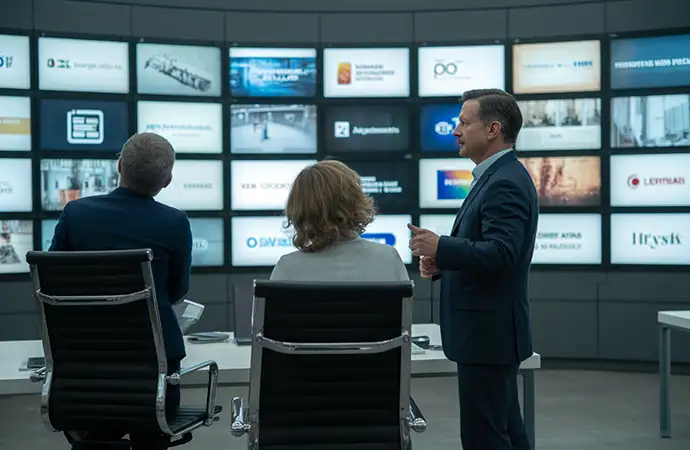

The Core Risks of AI-Generated Content
AI content itself is not inherently unsafe.
Uncontrolled AI content is.
The main risk categories include:
-
Copyright & Ownership Ambiguity
Some AI tools generate content from unclear or unlicensed datasets, creating uncertainty about ownership and originality. -
Misleading Representation
AI avatars, synthetic voices, or generated visuals may unintentionally misrepresent people, products, or facts. -
Regulatory Non-Compliance
Different regions enforce varying rules for AI content, especially regarding advertising, data protection, and disclosure. -
Platform Policy Violations
Advertising platforms increasingly scrutinise AI-generated media, especially in political, financial, or health-related content. -
Brand Safety & Trust Erosion
Excessive automation can produce generic, low-credibility content that undermines brand trust.
Is AI Content Automatically Unsafe?
No, but it is not automatically safe.
Safety depends on the manner of AI use, not merely its presence.
AI content becomes commercially safe when it meets four conditions:
- Human control
- Clear licensing and usage rights
- Editorial and factual review
- Compliance with regional regulations


Human-Led AI vs Fully Automated AI Content
This distinction is essential.
Fully Automated AI Content
- Minimal human oversight
- Faster but higher risk
- Often unsuitable for regulated or brand-critical use
Human-Led AI Content
- AI assists, humans approve.
- Editorial and legal review included
- Designed for enterprise and brand safety
At Libanza Films, all AI content is produced using a human-in-the-loop framework, ensuring that AI accelerates production while maintaining accountability.
Related reading: AI Content Disclosure Best Practices | AI Content Governance & Compliance
Regional Compliance: Why Geography Matters
AI content safety is not universal; it varies by jurisdiction.
United Kingdom
- Governed by ASA, CAP Code, and BCAP Code
- Misleading or undisclosed AI content can breach advertising rules.
- Human sign-off and substantiated claims are essential.
European Union
- Governed by GDPR and the EU AI Act
- High emphasis on transparency, data handling, and risk classification
- Strong focus in Germany and France on factual accuracy
United States
- Platform-led enforcement (Meta, Google, YouTube)
- FTC scrutiny of deceptive or synthetic representations
GCC Markets
- Cultural sensitivity and institutional trust are critical.
- Disclosure expectations vary by sector.
Commercial safety requires aligning AI workflows with regional expectations and technological capabilities.
Explore hubs: UK | Europe | Governance | AI Hub

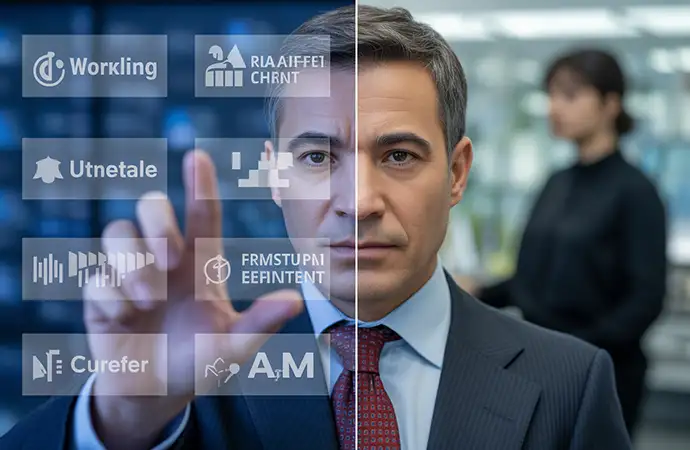
Is AI Content Safe for Advertising?
AI can be used safely in advertising if specific rules are followed:
- No false endorsements
- No fabricated testimonials
- No misleading visual or audio cues
- Claims must be substantiated.
- Disclosure is used where ambiguity exists.
This is why many brands begin AI adoption with training and corporate content before moving into advertising.
UK reference: AI Content & UK Advertising Standards
Is AI Content Safe for Training & Internal Use?
Yes, and this is currently the area with the lowest risk and highest adoption.
AI is widely used for:
- HR onboarding
- Compliance training
- SOP communication
- Internal explainers
Since these formats prioritise clarity over persuasion, AI adoption encounters fewer creative and regulatory barriers.
Related guide: AI Training Video Production: The Complete Enterprise Guide (2026)


Who Is Responsible for AI Content?
This is among the most misunderstood aspects.
Responsibility does not transfer to AI tools.
Responsibility lies with:
- The brand
- The agency or production partner
- The content publisher
This is why procurement teams increasingly ask:
- Who approved the content?
- What governance process was followed?
- Are audits possible?
How Libanza Films Makes AI Content Commercially Safe
Libanza Films follows a Responsible AI Content Framework, built for enterprise and global brands:
- Human approval at every stage
- Licensed and controlled AI tools
- Editorial, factual, and tonal review
- Disclosure guidance whenever required
- GDPR-aware and region-specific workflows
AI is treated as a production engine, not an autonomous creator.
Core services: AI Video Content Creation | AI Video Localisation, Dubbing & Lip-Sync


Common Myths About AI Content Safety
Myth: “AI content is automatically copyrighted-free.”
→ False. Licensing depends on tools and workflow.
Myth: “If AI created it, I’m not liable.”
→ False. Liability remains with the publisher.
Myth: “AI content can’t be regulated.”
→ False. Regulators focus on outcomes, not tools.
When AI Content Is NOT Safe to Use
AI content should be avoided or heavily restricted when:
- It simulates real people without consent.
- It involves health, finance, or legal advice.
- It is used in political or sensitive messaging.
- It lacks human verification.
A good AI strategy includes knowing where not to deploy AI.

Frequently Asked Questions (FAQ)
Yes, when created using licensed tools, under human oversight, and in compliance with approved workflows and regulations.
Sometimes. Disclosure depends on the region, industry sector, and content type, particularly where non-disclosure could mislead audiences.
Yes, provided the content meets advertising standards and complies with platform policies such as those of Meta, Google, and TikTok.
Generally yes. Training and corporate content carry lower regulatory and reputational risk than consumer-facing advertising.
A human decision-maker with editorial authority and brand responsibility should approve all AI-generated content.

Final Thought: Safety is a process, not a tool
AI does not make content unsafe.
Lack of governance does.
Brands that treat AI as a shortcut risk compliance, credibility, and trust. Brands that treat AI as a controlled creative system gain speed, scale, and consistency.
In 2026, commercially safe AI content is human-led, documented, and accountable.
Request for ServiceCustomer Reviews

Very dedicated team! Apprecite their enthusiasm, creativity and passion for their work... Read Md. Jamil Hossain Chowdhury Rahat's Full ReviewRead More


Libanza specializes in creating captivating films and advertisements with compelling narratives and stunning visuals... Read Riad Full ReviewRead More
Get in Touch
Our Clients
Diverse industries, trusted partnerships. From advertising agencies to corporate entities and non-profit organizations, our clients rely on us to bring their creative visions to life. With passion, expertise, and attention to detail, we deliver exceptional video production solutions that exceed expectations. Join our esteemed clientele and experience the power of captivating storytelling with Libanza Films.